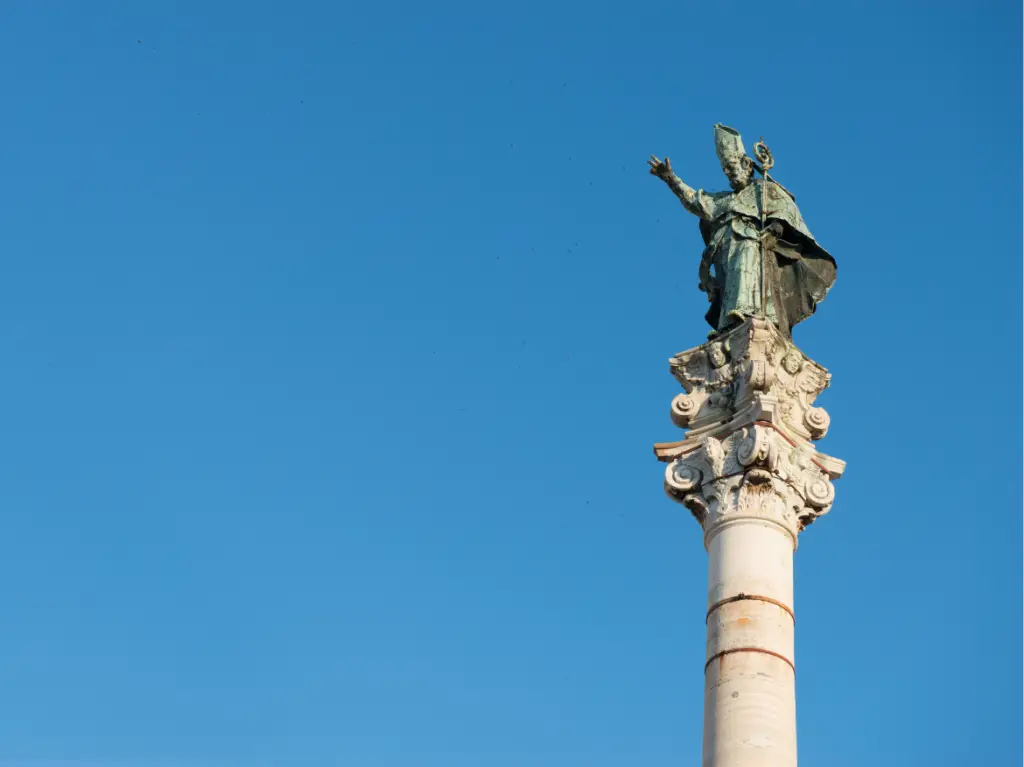
Lecce Baroque represents one of the most fascinating artistic expressions in the Italian cultural landscape. Characterized by the masterful use of Lecce stone, this style stands out for its decorative opulence and the harmonious fusion of architectural elements. Its origins date back to the 17th century, a period when Lecce became an important cultural and artistic center thanks to the patronage of noble families, religious orders, and visionary architects.
What makes this artistic movement unique compared to other Baroque variations is the extraordinary refinement of its sculptural details, made possible by the soft, easily workable Lecce stone, capable of taking on sinuous and richly carved forms. Churches, noble palaces, and monuments were transformed into authentic masterpieces of aesthetics and symbolism, telling the story of an era of great splendor.
Tracing the birth and evolution of this style means embarking on a journey through art and history, where architectural grandeur meets the cultural fervor of the time. To fully understand the value of Lecce Baroque, it is essential to analyze its origins, development, and the main figures who helped make it an enduring icon of the city of Lecce.
The Origins of Lecce Baroque
Lecce Baroque developed during a period when the Kingdom of Naples was under Spanish rule. At that time, the city of Lecce experienced significant economic and cultural growth, which fostered the emergence of an architecture rich in detail and artistic influence. The presence of local craftsmen and the use of Lecce stone—easily carved and characterized by its warm color—made it possible to create complex and refined decorations. New buildings were not merely artistic expressions, but also tools of political and religious affirmation, celebrating the power of the Church and the local aristocracy.
The rise of Lecce Baroque was the result of a balance between tradition and innovation. Influences from Roman and Spanish Baroque merged with the artisanal skills of the local territory, giving rise to a unique stylistic language. Churches, convents, and palaces began to be adorned with elaborate friezes, statues, and reliefs, transforming Lecce’s urban fabric into an open-air museum. The contribution of local architects and sculptors such as Giuseppe Zimbalo and Mauro Manieri was fundamental in defining the distinctive traits of this style, which later spread throughout the Salento region.
The Main Characteristics of the Style
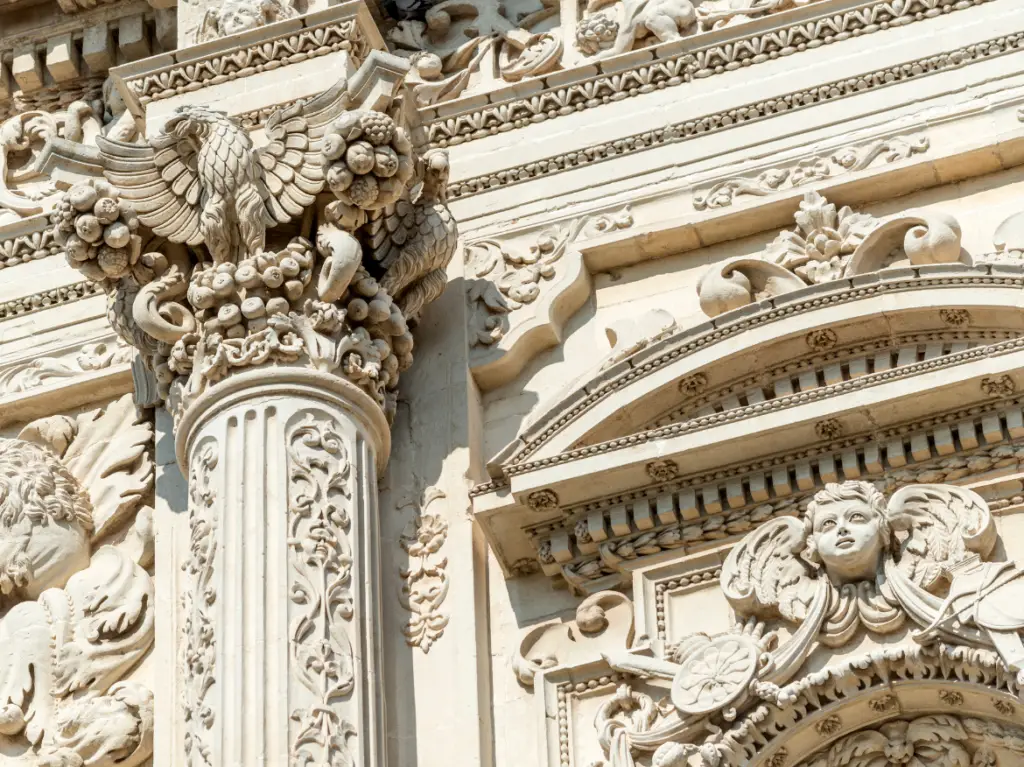
One of the defining features of Lecce Baroque is its extraordinary ornamental richness. Building façades are often embellished with floral elements, geometric patterns, and anthropomorphic figures. The use of twisted columns, elaborate balconies, and sculpted cornices further contributes to a unique theatrical effect. Compared to Roman Baroque, this style appears lighter and more fluid in its decorations, giving buildings an almost scenographic appearance.
Another key element is the integration of architecture and sculpture: many churches and palaces feature façades that resemble true sculptural works carved entirely from Lecce stone. The use of natural light enhances the carved surfaces, creating evocative plays of shadow. Church interiors, often richly decorated, display perfect harmony between painting, sculpture, and architecture, offering a unique visual and spiritual experience. These elements not only enrich buildings aesthetically, but also convey a powerful symbolic and religious message, exalting the greatness of faith and ecclesiastical authority.
The Main Buildings of Lecce Baroque
The historic center of Lecce preserves some of the most important examples of Lecce Baroque—architectural masterpieces that testify to the refinement of this style. Each building represents a perfect balance between art and spirituality, with elaborate decorations and masterful use of Lecce stone.
The Basilica of Santa Croce
Considered the ultimate symbol of Lecce Baroque, the Basilica of Santa Croce is one of the city’s most spectacular works. Its richly decorated façade is a triumph of sculptural elements: twisted columns, cherubs, zoomorphic figures, and floral motifs intertwine in a composition of remarkable visual impact.
The majestic central rose window, finely carved, captures the light and creates shadow effects that enhance its beauty. The interior, characterized by a wide nave and intricately decorated altars, reflects the artistic magnificence of the façade. Built between the 16th and 17th centuries, the basilica is the result of the work of great architects and sculptors, including Giuseppe Zimbalo, a leading figure of Salento Baroque.
Lecce Cathedral (Duomo)
Located in one of the most scenic squares in the city, Lecce Cathedral is an authentic Baroque masterpiece. Its uniqueness lies in its two façades—one main and one lateral—both richly decorated. The monumental façade is adorned with statues of saints, columns, and fine carvings, while the imposing bell tower, about 70 meters high, offers breathtaking views over the city and the Adriatic Sea.
The cathedral’s interior is equally captivating, featuring frescoes, gilded altars, and a coffered ceiling that enhance the solemn atmosphere. The architectural ensemble of the Cathedral and Piazza Duomo represents one of the most harmonious and spectacular examples of Baroque urban planning in Italy.
Palazzo dei Celestini
A perfect example of a noble Baroque residence, Palazzo dei Celestini stands out for its elegant façade and refined decorations. Originally built as a convent of the Celestine Order, it was transformed in the 17th century into a sumptuous aristocratic residence. The palace features a long façade marked by pilasters, finely decorated windows, and floral motifs typical of Baroque style.
Today, the building houses the headquarters of the Province of Lecce and the Prefecture, yet it retains all the charm of its past. Its location next to the Basilica of Santa Croce makes it an integral part of one of the most evocative views in the city.
In addition to these monuments, Lecce Baroque is expressed in many other works throughout the historic center, such as the Church of San Matteo, the Church of the Rosary, and Porta Rudiae—each featuring unique decorative elements that narrate the evolution and richness of this style. With its invaluable architectural heritage, Lecce remains an essential destination for lovers of art and culture.
The Legacy of Lecce Baroque
The influence of Lecce Baroque extends far beyond the city itself, shaping many towns across the Salento region. Today, this style continues to attract tourists and architecture scholars alike, confirming Lecce’s reputation as the “Florence of the South.” Restoration and preservation efforts help safeguard a priceless artistic heritage. Thanks to local and national initiatives, many historic buildings have been restored and made accessible to the public, allowing visitors and researchers to admire the craftsmanship of past artisans up close.
Beyond its impact on the urban landscape, Lecce Baroque has also influenced contemporary art and design. The working of Lecce stone, for example, remains a thriving craft, with sculptors and artisans reinterpreting Baroque forms in a modern key. Typical Baroque decorations are now reintroduced in interior design, decorative objects, and even fashion, demonstrating how this artistic language is still vibrant and relevant. The cultural identity of Salento is therefore reflected not only in architecture, but also in artistic and artisanal productions inspired by this timeless style.
Finally, Lecce Baroque plays a significant role in the economic and tourism development of the region. Every year, Lecce and Salento welcome thousands of visitors fascinated by the beauty of its churches, squares, and palaces. Cultural events, festivals, and thematic itineraries dedicated to Baroque architecture attract enthusiasts from all over the world, generating substantial economic benefits for the territory. Baroque art, therefore, is not only a testimony of the past, but a precious resource for the present and the future of Puglia.